Skip to content

This round

The three are chosen.

Announced on 24 September. Every application was read by a local panel, and these are the three problems going to a build: chosen on how much difference it would make, whether other organisations in the district share the problem, and whether five weeks is honestly enough to do something useful about it.


Glenorchy

Tāhuna Glenorchy Dark Sky Sanctuary (opens in a new tab)

A subgroup of the Glenorchy Heritage and Museum Group, certified by DarkSky International in February this year, covering about 2,150 square kilometres at the head of Lake Whakatipu.

Keeping the certification means measuring how dark the sky actually is. Meter readings are taken at fixed sites, four compass points at a time, written down by hand, and typed up later into a spreadsheet that lives with one person. It takes two people every time.
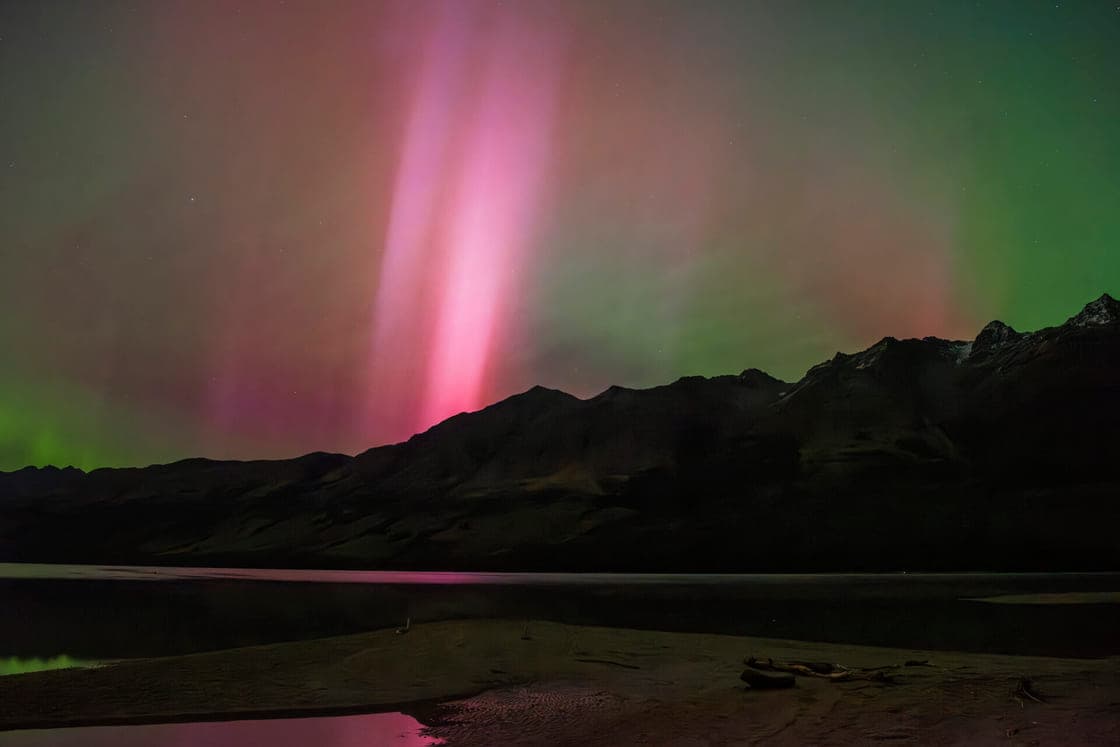
An aurora over the mountains at the head of Lake Whakatipu, pink columns rising into a green sky

Corrine Davis

Kelvin Heights

Whakatipu Reforestation Trust (opens in a new tab)

A volunteer powered trust running the Jean Malpas nursery since 2013, growing around 10,000 native plants a year and putting more than 140,000 into the ground across some 70 sites since 2015.

Every record the trust has, covering seed collection, the nursery stages, where things were planted and what survived, sits in Excel files that cannot talk to each other. The question it most wants to answer, whether what it planted is still alive, is the hardest one to ask.

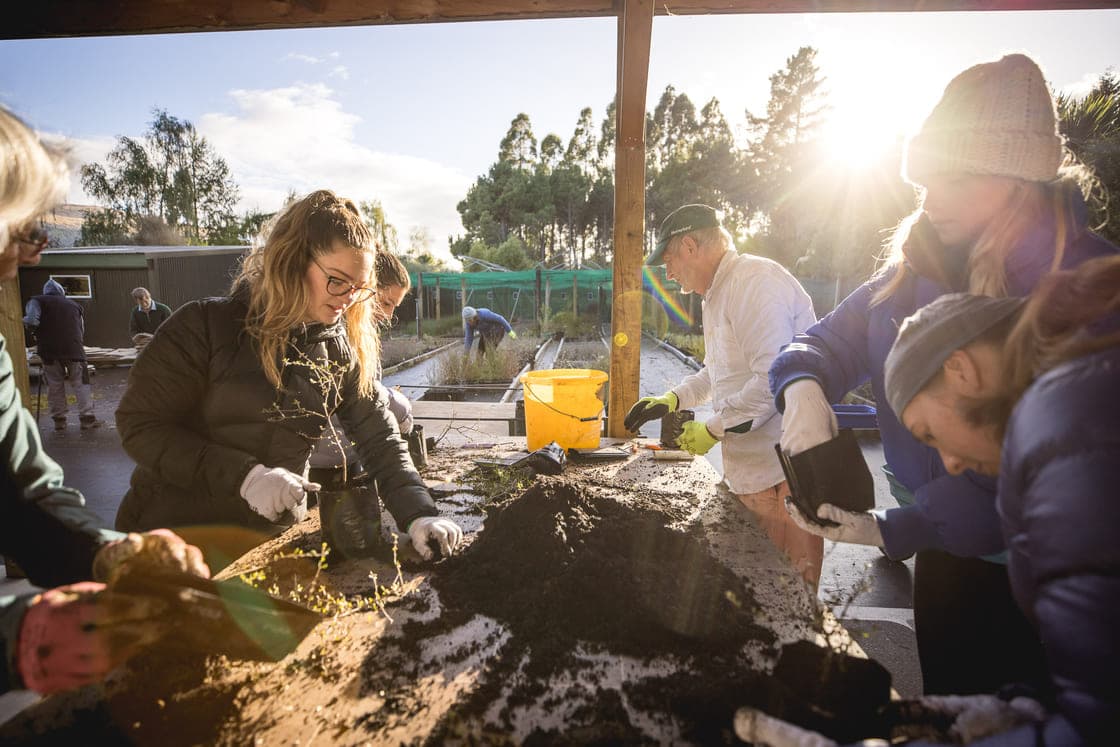
Volunteers potting up seedlings at the Jean Malpas nursery, in low winter sun

Queenstown

Queenstown Mountain Bike Club (opens in a new tab)

The district's largest club, formed in 2003, with more than 2,000 members and over 100 kilometres of trails kept up largely by volunteers.

New national trail guidelines introduced this year require regular audits. At the moment an audit is notes and photos taken on the trail and typed up afterwards into a Word template, and the annual inspection of every wooden trail feature runs the same way through a spreadsheet.

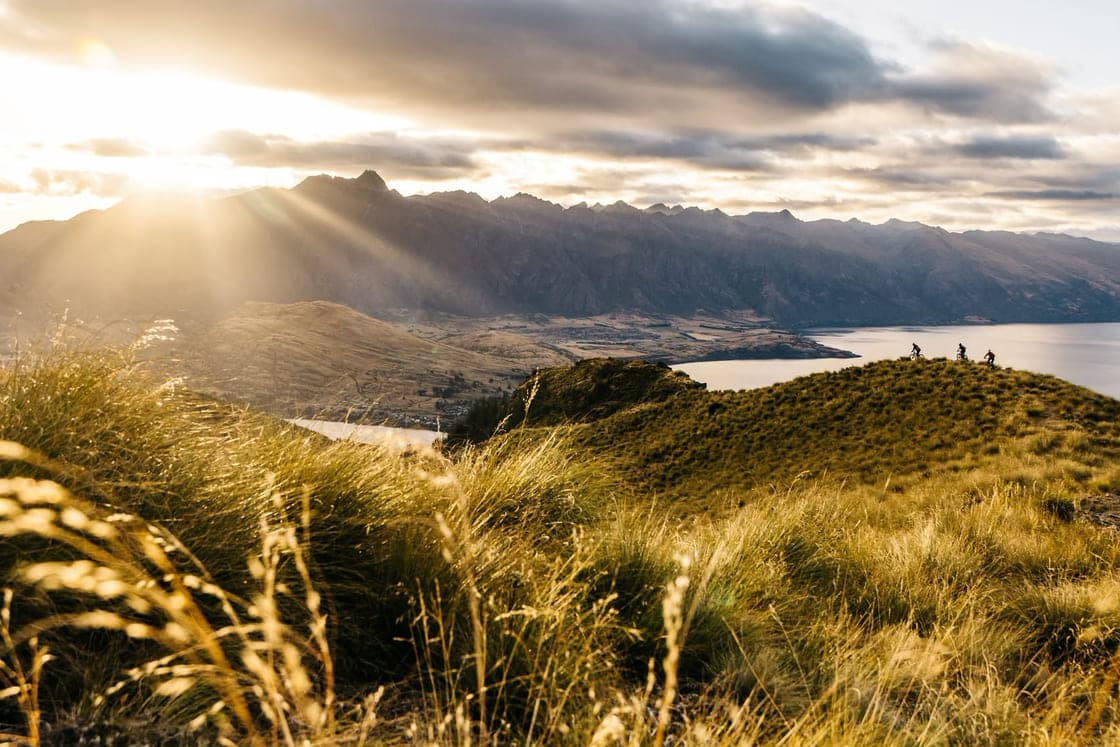
Three mountain bikers on a tussock ridgeline above Lake Whakatipu at sunrise

What happens now

We have an idea of the shape of each solution. What each will do, and how they will work exactly, has yet to be designed. Between 28 September and 9 October each team will sit down with their organisation and work that out with them, before anything gets built.

From 12 October there are five weeks of building, with something for the organisation to try at the end of each week. Then comes the handover, with training and written instructions for the people who will use it.

What happens next

  1. 28 Sep to 9 Oct
    Designing each solution, with the organisation
  2. 12 Oct to 13 Nov
    Building it, with something to try each week
  3. From 13 Nov
    Handover, with training and written instructions
  4. 26 Nov
    Showcase Hui, where all three are demonstrated

Follow along

26 November

Showcase Hui

All three are demonstrated in public at the Showcase Hui, which FLINT Queenstown is running as its Q4 event. It is free to come along.

Open source

Free for anyone to reuse

Everything made is open source, so what gets built for these three is there for any other organisation in the district to pick up and use.